Home | Contact Us | Site Map  


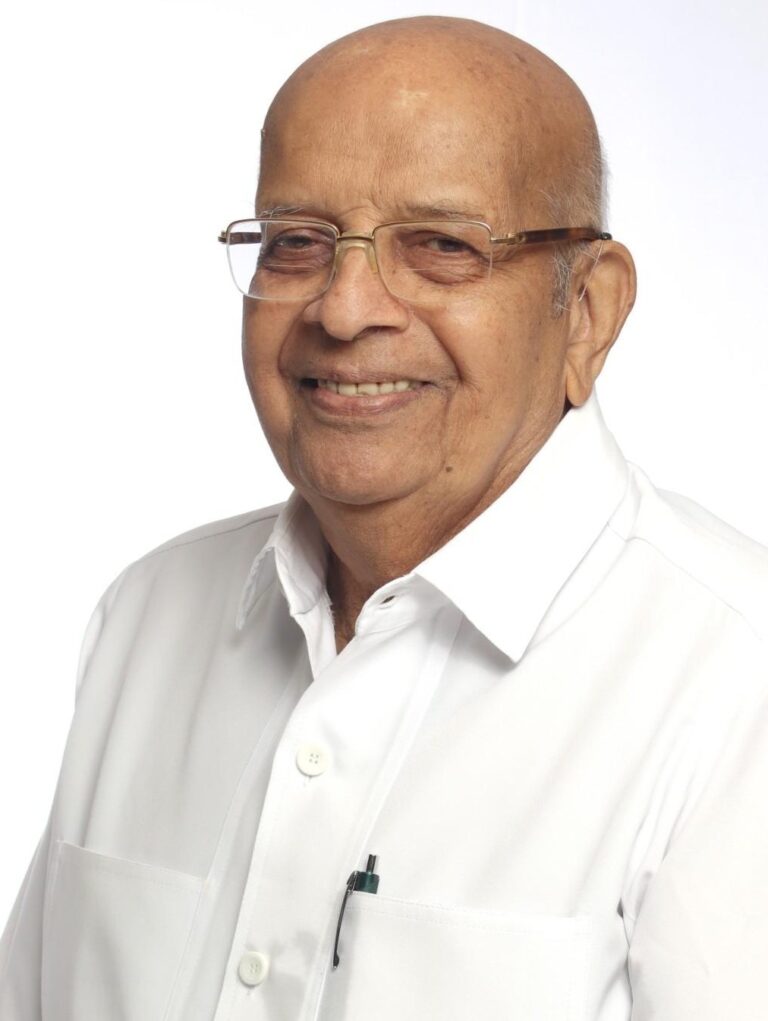
Dr. P. S. Garcha Dr. P. R. Musa Dr. (Mrs.) M. Shinde Patil  
 
Dr. (Mrs.) Mamta Sadre Dr. (Mrs.)Laxmi Manvikar
Dr.Bharti  

Department of anaesthesia is dedicated to the relief of pain and total care of the surgical patients. The spectrum of care includes the medical evaluation of the patient before surgery, consulting with the surgical team and providing pain support and control of life-functions during surgery, supervising care during surgery, supervising care after surgery, evaluating condition of the patient at the time of discharge from a recovery unit.

We are primarily physicians who administer anaesthesia to alleviate pain and suppress consciousness of the patient undergoing surgery.
Pre operative assessment
The rationale of the preoperative visit to the anaesthesiologist is to ensure that your overall medical condition is the best it can be prior to encountering the stress of anaesthesia and surgery. The most common problems that need further medical evaluation in surgical patients are cardiac (heart) and pulmonary diseases. Specifically CAD (blocked blood vessels of the heart) asthma and COPD are medical conditions that most often require further testing or treatment prior to elective surgery. Surgery and anaesthesia can be very stressful and coupled with the above diseases, can lead to adverse outcomes (for example : heart attack after surgery) ; that can threaten patient’s well-being or even their lives. Obviously, such patients may still need surgeries. Thus, a major goal of the preoperative anaesthesia assessment is to diagnose and treat any coexisting medical condition, so as to minimize the risk to aforementioned adverse outcomes. Other diseases that may lead to adverse events if not well-controlled at the time of surgery include: disease of the liver, kidneys, nervous system, musculoskeletal system, endocrine system (eg. Diabetes, thyroid disease) and haematological (blood) system. Patient may need further testing, Consultation and treatment in order to optimize his / her condition in the preoperative period. If the surgery is elective, it may be postponed so that patient’s conditions can be better evaluated and treated.

Another important aspect is the assessment of the airway (i.e. mouth, throat, wind-pipe, neck movements) and spine.

It is crucial that we recognize any abnormalities of these early and take measures to manage them intra-op or even pre-operatively. This may decide the type of anaesthesia to be given. In addition, you may have special questions and concerns that are best addressed by an anaesthesiologist.
Anaesthesia Care
In the operative room, we are responsible for medical management and anaesthesia care of the patient throughout the duration of surgery. The anaesthesiologist must carefully match the anaesthetic needs of each patient to that patient’s medical condition, responses to anaesthesia and the requirement of the surgery. The activity of the anaesthesiologist is hardly seen by anyone outside the operation theatre, even the patients themselves are unable to recall much of their involvement with this vital specialist because most of the anaesthesiologist work is done while patient is anaesthetised ! The role of the anaesthesiologist in the operation theatre is to.
Provide continual medical assessment of the patient.
Monitor & control patient's vital life functions, like Heart rate and rhythm, breathing, BP, temp and body fluid balance.
Control of patient’s pain and level of unconsciousness to make conditions ideal for a safe and successful surgery.
Anaesthesia Techniques
Local Anaesthesia : Many procedures can be done with local anaesthesia. Frequently some intravenously (IV) administered sedation is given along with the local anaesthetic. These medications will make you sleepy and reduce pain. The same drugs can be used to cause brief periods of deep sleep or unconsciousness for the most uncomfortable parts of a procedure.
General Anaesthesia : Most of the major surgical procedures are done under general anaesthesia especially surgeries on upper limbs & faciomaxillary surgeries. General anaesthesia is actually the reversible loss of consciousness with the help of different medicines & medical gases and inhalational anaesthetic agents. Today is an era of ‘Balanced anaesthesia’ where sedation, analgesia and muscle- relaxation is achieved with different drugs given in the optimum doses.
Regional Anaesthesia : It is the most frequently used technique at our hospital. This techniques can be effectively used for surgeries on extremities both upper and lower. Major procedures like Total Knee Replacement and Total Hip Replacement can also be comfortably done under regional anaesthesia. Epidural anaesthesia is a form of anaesthesia in which a tiny-tube (also called a catheter) is placed in the epidural space in your back. Anaesthesia medication is then injected into the space via the catheter. An alternative to the epidural technique is a ‘spinal anaesthesia’ which is similar to an epidural anaesthesia. A thin needle is inserted in the lower part of your back, and the anaesthesia medication is injected through it. The needle is then withdrawn. The effects of both are very similar; they temporarily block the nerves, so that pain is not felt. They, to a greater or lesser extent, may decrease your ability to move your legs, or even cause complete but temporary paralysis of your lower body. As the medication wears off your legs recover, both sensation and movement. In our hospital, we practice ‘Combined spinal – epidural’ anaesthesia where we try to achieve good effects of both the techniques and also provide postoperative analgesia. For upper limb surgery, we practice various techniques of Brachial plexus blocks like supraclavicular or axillary block, where only the relevant extremity is rendered anaesthetised.
This is usually combined with light sedation. These methods are especially good in vascular surgeries and may increase chances of salvaging the limb.
Postanaesthesia Care Unit
This is where patients are transferred after surgeries, allowing them to emerge fully from the effects of the anaesthesia under the watchful eyes of the nursing staff with anaesthesiology consultation immediately available. In most cases, the anaesthesiologist decides when the patient has recovered enough to be sent home following out patient surgeries or has been stabilized sufficiently to be moved to a regular room or ward.
Pain Services
In addition to the patients pain being relieved or blocked entirely during a surgical procedure, it is equally important to provide adequate pain relief post operatively for the patient’s comfort and well-being. After surgery, we are involved in prescribing pain-relieving medication and techniques that are best for each individual patient to maintain a level of comfort and to follow proper rest.
Critical Care and Trauma Medicine
The role of anaesthesiologist is to provide medical assessment, and diagnosis; and respiratory and cardio-vascular support. Anaesthesiologists have special training to deal with many emergency situations. We provide airway management, cardiac & pulmonary resuscitation; advanced life support and pain control. As consultants, we play an active role in stabilizing and preparing the patient for emergency surgeries.
Top
  Careers | Disclaimer | International Affiliations | Enquiry