|
|
| Hand Surgery Services |
|
Upper limb, hand and brachial plexus surgery : Dr. Anil Bhatia, Dr. Abhijeet Wahegaonkar
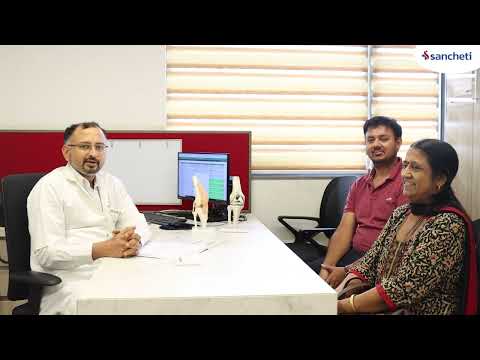
The hand is one of the most intricate and flexible structures in the human body, unsurpassed in sensitivity, mobility and strength. However this usefulness and complexity make the hand particularly susceptible to injury and disease. The Hand Surgery and Brachial Plexus wing of Sancheti Institute offers treatments specializing in rehabilitation of hand surgery.
What is Hand Surgery?
|
Hand surgery is the field of medicine that deals with problems of the hand, wrist and forearm. |
|
Hand surgeons care for these problems without surgery, and they are specially trained to operate when necessary |
|
Many hand surgeons are also experts in diagnosing and caring for shoulder and elbow problems. In other words, they are trained in comprehensive care of the entire upper extremity. |
|
Hand surgeons are orthopedic, plastic or general surgeons who have additional training in surgery of the hand. |
|
|

Dr. Anil Bhatia |

Dr. Abhijeet Wahegaonkar |
|
|
Why Visit a Hand Surgeon?
The hand is a unique area of the human body that is made up of bone, joints, ligaments, tendons, muscles, nerves, skin, and blood vessels. These elements must all be in good working order for the hand to function well. The relationship between all these structures is delicate and refined. An injury or disease can affect any or all of these structures and impair the use of the hand.
A qualified hand surgeon is trained to diagnose and treat all problems related to these different structures in the hand, wrist, and forearm.
Hand surgeons have received specialized additional training in the treatment of hand problems in addition to specialty training in orthopaedic surgery, plastic surgery, or general surgery.
Many hand surgeons also have expertise with problems of the elbow, arm, and shoulder. Some hand surgeons treat only children, some treat only adults, and some treat both. Common problems treated include carpal tunnel syndrome, tennis elbow, wrist pain, sports injuries of the hand and wrist, fractures of the hand, wrist, and forearm, and trigger fingers. Other problems treated by hand surgeons include arthritis, nerve and tendon injuries, and congenital limb differences (birth defects).
Not all problems treated by a hand surgeon need surgery. Hand surgeons often recommend non-surgical treatments, such as medication, splints, therapy, and injections. Hand surgeons are specialists devoted to hand care.
If you have pain in your fingers, hand, wrist or arm, or have other upper-extremity related concerns, you may want to consult a hand surgeon.
|
IF YOU'RE CONSIDERING HAND SURGERY
If you're considering hand surgery, a consultation with a plastic surgeon is a good place to start. The surgeon will examine you, discuss the possible methods of treatment for your problem, and let you know if surgery is warranted. If it is, the surgeon will discuss the procedure in detail, including where the surgery will be performed (in the surgeon's office, an outpatient surgery center, or a hospital), the anesthesia and surgical techniques that will be used, possible risks and complications, the recovery and rehabilitation period, and the probable outcome in terms of function and appearance.
Don't hesitate to ask your surgeon any questions you may have during the initial consultation-including any concerns you have about the recommended treatment and the costs involved. (Since hand surgery is performed primarily to correct physical abnormalities, it usually is covered by insurance. Check your policy or call your carrier to be sure.) |
|
ALL SURGERY CARRIES SOME UNCERTAINTY AND RISK
Thousands of successful hand operations are performed each year. While the procedures are generally safe when performed by a qualified and experienced plastic surgeon, complications can arise.
In all types of hand surgery, the possible complications include infection, poor healing, loss of feeling or motion, blood clots, and adverse reactions to the anesthesia. These complications are infrequent, however, and they can generally be treated. You can reduce your risks by choosing a qualified surgeon and by closely following his or her advice |
| |
|
|
|